June 15, 2026
Flat roofs are a practical and cost-effective roofing option for many residential and commercial properties. However, like any roofing system, they require regular maintenance and timely repairs to remain effective. Exposure to weather, standing water, temperature fluctuations, and aging materials can eventually lead to leaks and structural concerns. When issues arise, hiring professionals ensures that problems are identified and corrected properly.
Understanding the repair process can help property owners know what to expect and make informed decisions about their roofing investment. Professional contractors follow a structured approach that focuses on diagnosing problems, preparing the work area, completing repairs, and preventing future damage. Knowing these steps can provide peace of mind and help property owners appreciate the value of expert roofing services. A professional flat roof repair project is designed to restore performance, extend roof life, and protect the building beneath it.
Conducting a Thorough Roof Inspection
Every successful flat roof repair begins with a comprehensive inspection. Roofing professionals carefully examine the roof's surface to identify visible signs of damage and areas that may require immediate attention. Common issues include ponding water, cracked membranes, punctures, separated seams, and deteriorated flashing. Because some damage is not obvious from the surface, contractors often use specialized tools to detect hidden moisture and weak spots.
The inspection also evaluates the roof's age, previous repair history, and overall condition. This information helps determine whether a localized repair is sufficient or whether more extensive work may be required. Contractors document their findings and discuss them with the property owner to ensure a clear understanding of the roof's condition. Early identification of problems helps prevent further deterioration and reduces the risk of expensive structural damage.
According to RubyHome, about four out of every five residential roofing installations use asphalt shingles as the primary roofing material. Flat roofing systems typically use different materials such as modified bitumen, TPO, EPDM, or PVC membranes, each requiring specialized repair techniques. Understanding the roofing material is essential for selecting the most effective repair method and ensuring long-term performance.
Creating a Detailed Repair Strategy
After the inspection is complete, contractors develop a repair plan tailored to the roof's specific needs. This strategy outlines the damaged areas, recommended solutions, materials required, and expected project timeline. A detailed plan helps ensure that all issues are addressed efficiently and reduces the likelihood of future complications.
Professional roofers take time to explain the proposed work and answer any questions the property owner may have. This communication creates transparency and allows clients to understand how the repairs will improve the roof's condition. The plan may include recommendations for drainage improvements, membrane restoration, flashing replacement, or reinforcement of vulnerable areas.
Cost estimates are also presented during this stage. Reputable contractors provide clear pricing that outlines labor, materials, and any additional services required. Understanding the scope of work before repairs begin helps property owners budget appropriately and avoid surprises. A well-developed strategy serves as the foundation for a successful flat roof repair and ensures that every aspect of the project is carefully organized.
Preparing the Roof for Repair Work
Preparation is an essential part of any roofing project. Before repairs can begin, the roof surface must be thoroughly cleaned and cleared of debris. Leaves, dirt, branches, and other materials can interfere with repairs and prevent proper adhesion of roofing products. Removing these obstacles creates a clean workspace and improves repair effectiveness.
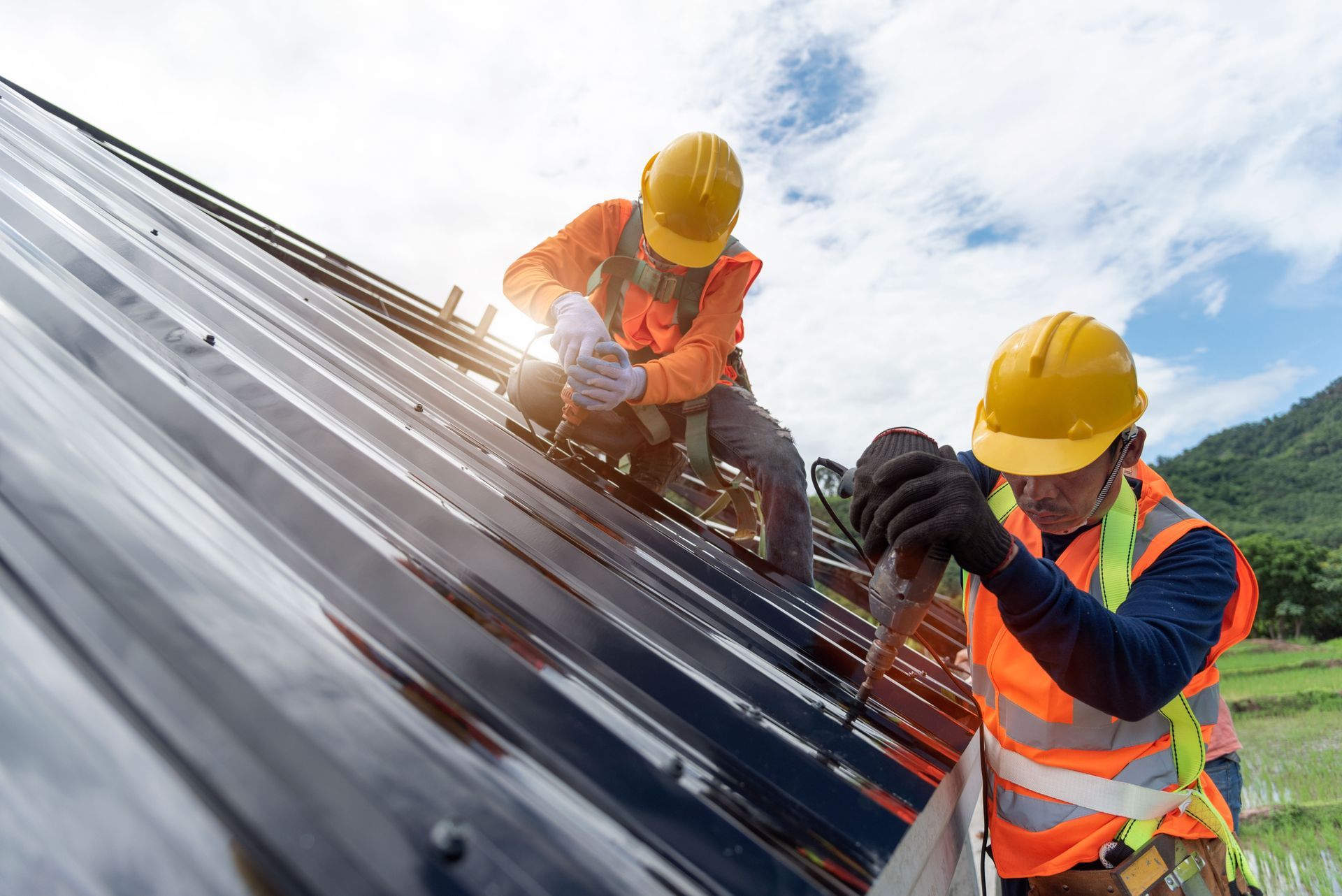
Safety measures are also implemented before work begins. Contractors establish secure work zones, utilize fall protection equipment, and ensure all team members follow industry safety standards. Protecting workers, occupants, and surrounding property is a top priority throughout the repair process. Proper preparation allows technicians to work efficiently and ensures that the flat roof repair proceeds without unnecessary delays or complications.
Repairing Leaks and Damaged Roofing Materials
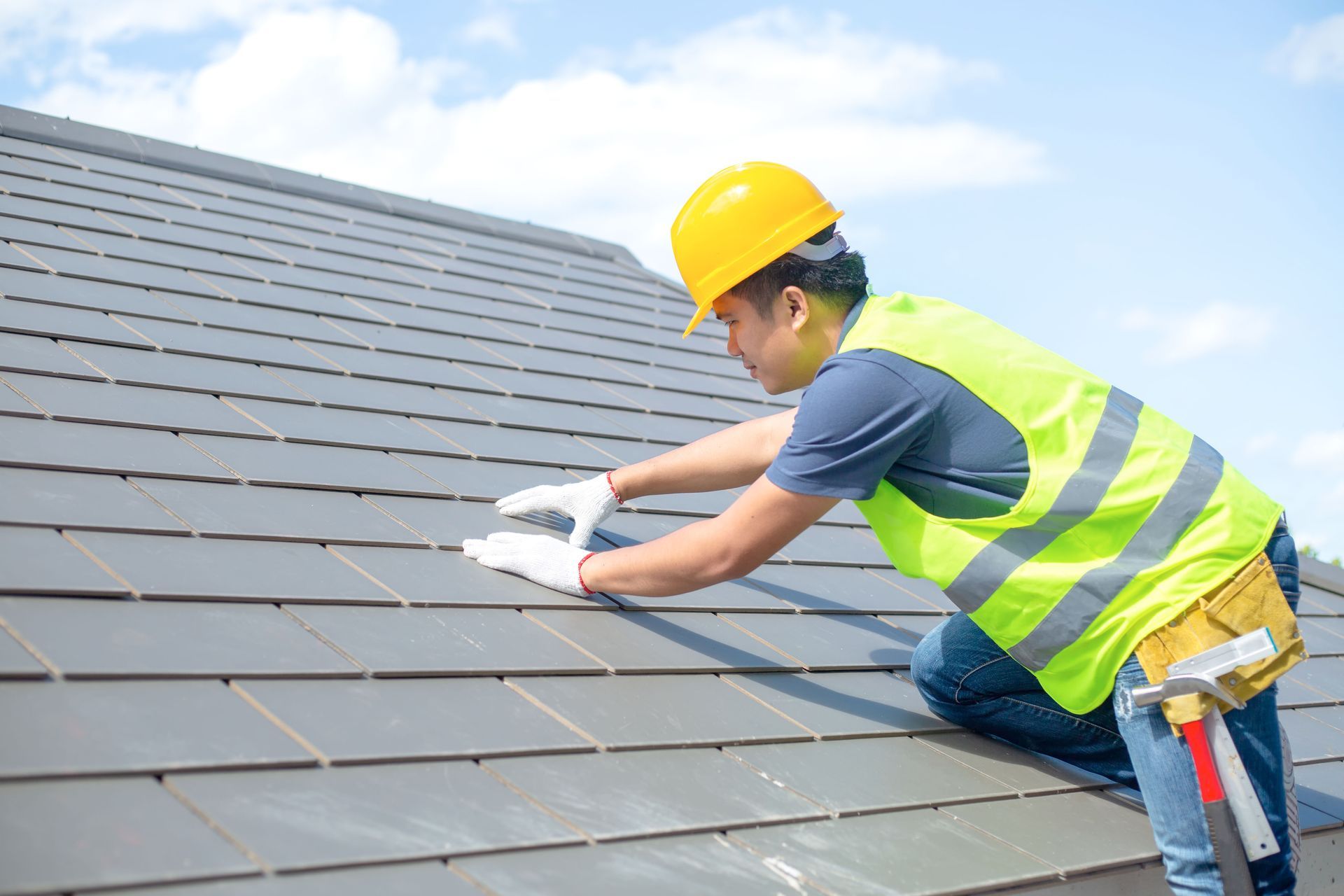
Once preparation is complete, contractors begin repairing damaged sections of the roof. Leak repair is often one of the primary objectives because water infiltration can lead to extensive interior and structural damage. Technicians carefully locate the source of leaks and repair the affected areas using materials that are compatible with the existing roofing system.
Professional contractors focus not only on visible damage but also on underlying issues that may have contributed to the problem. Addressing root causes helps prevent recurring leaks and extends the life of the roof. By using quality materials and proven techniques, roofing professionals ensure that each flat roof repair provides lasting protection against weather and moisture intrusion.
Restoring Drainage and Structural Performance
Proper drainage is essential for the health of any flat roof. Unlike sloped roofs, flat systems can be more vulnerable to standing water if drainage pathways become blocked or ineffective. During the repair process, contractors assess the roof's drainage performance and make adjustments where necessary.
Improving drainage may involve clearing obstructions, repairing drains, modifying slopes, or installing additional drainage components. These measures help prevent water from accumulating on the roof surface and reduce the risk of future damage. Effective drainage also minimizes stress on roofing materials and structural supports.
Contractors may also inspect the roof deck and supporting structures for signs of deterioration. If structural weaknesses are discovered, repairs are completed to restore stability and ensure the roof can safely support expected loads. A professional flat roof repair often includes these improvements because long-term performance depends on more than just fixing visible damage. Addressing drainage and structural concerns creates a stronger and more resilient roofing system.
Applying Protective Coatings and Preventive Solutions
After repairs are completed, many roofing professionals recommend protective treatments that enhance durability and weather resistance. Roof coatings are commonly applied to create an additional barrier against moisture, ultraviolet rays, and temperature fluctuations. These coatings can help extend the lifespan of the roofing system while improving energy efficiency.
Preventive measures may also include reinforcing seams, sealing vulnerable areas, and improving waterproofing around roof penetrations. These enhancements reduce the likelihood of future leaks and strengthen the roof's ability to withstand harsh environmental conditions. Investing in preventive maintenance often results in significant long-term savings by reducing the frequency of repairs.
Professional contractors understand that every roof faces unique challenges based on its location, age, and exposure to weather. For this reason, preventive recommendations are tailored to the specific needs of each property. A high-quality flat roof repair not only resolves current issues but also helps prepare the roof for years of continued service.
Providing Final Inspection and Maintenance Recommendations
The final stage of the repair process involves a comprehensive inspection to verify that all work has been completed according to industry standards. Contractors review repaired areas, test drainage performance, and ensure that materials have been properly installed. This quality control step helps confirm the effectiveness of the repairs and provides confidence in the finished project.
Property owners are typically given a summary of the completed work along with recommendations for ongoing maintenance. Routine inspections and preventive maintenance play a major role in extending roof lifespan and reducing future repair costs. Scheduling regular evaluations allows minor issues to be identified and corrected before they become major problems.
Professional roofers may recommend annual inspections, seasonal cleaning, and periodic maintenance services to keep the roof in optimal condition. Following these recommendations helps maximize the value of the recent flat roof repair and supports long-term roof performance. Consistent maintenance remains one of the most effective ways to protect any roofing investment.
A professional flat roof repair service involves much more than simply patching leaks. When performed correctly, flat roof repair provides dependable protection and peace of mind for years to come. If your flat roof is showing signs of wear, leaking, or water damage, don't wait for the problem to become more costly. The experienced team at P & G Roofing provides dependable roofing solutions designed to restore performance and protect your property. Contact P & G Roofing today to schedule an inspection and learn how our professional services can help keep your roof strong, secure, and built to last.