June 15, 2026
Metal roofing systems have become a practical choice for commercial properties looking to balance durability, efficiency, and long-term value. Many decision-makers explore metal roofing when they want a solution that reduces maintenance demands while supporting operational stability. In most cases, the shift toward metal roofing is driven by performance expectations and lifecycle cost benefits rather than short-term aesthetics alone. For business owners evaluating commercial roofing services, understanding the installation process is essential before committing to a full replacement or upgrade.
This guide breaks down what typically happens during a commercial metal roof installation, from early planning through final evaluation. It covers key decision points such as structural readiness, material selection, installation sequencing, and long-term care considerations. It also highlights how professional coordination influences timelines, safety, and final performance outcomes. Whether upgrading an existing facility or planning new construction, the goal is to help set realistic expectations and improve decision-making confidence around roofing services.
Planning the Project
Effective planning sets the foundation for successful commercial roofing services and helps ensure the entire installation runs smoothly. At this stage, business owners typically work with roofing professionals to assess goals, timelines, and building requirements. Site conditions, operational schedules, and weather considerations all influence how the project is structured. Clear planning also helps reduce disruptions to daily business activities during construction.
Budget alignment is another major component of this phase, especially when evaluating long-term value versus upfront costs. Contractors often provide estimates that include materials, labor, permits, and contingencies. When commercial roofing services are involved early, it becomes easier to avoid unexpected delays or cost overruns. Planning also includes discussions around warranty coverage and maintenance expectations.
Finally, project planning ensures all stakeholders share the same expectations before work begins. This reduces confusion during installation and helps streamline communication across teams. A well-structured plan directly contributes to safer execution and more predictable outcomes.
Preparing the Existing Structure
Before installation begins, the existing roof system must be carefully evaluated and prepared. This step is essential for ensuring the structure can properly support a new metal system without performance issues. Roofing professionals inspect decking, insulation, and drainage pathways to identify any necessary reinforcements. These preparations are a key part of delivering reliable commercial roofing services for long-term results.
In many cases, the old roofing material is removed to expose the underlying structure. This allows contractors to identify hidden damage or weak points that may not have been visible during initial inspections. Addressing these issues early helps prevent future complications once the new system is installed. Proper preparation also ensures compliance with building codes and structural requirements.
Once the surface is cleared and repaired, the site is organized for installation efficiency. Materials are staged, safety protocols are reinforced, and access points are secured. These steps support a smoother workflow and reduce delays during the installation phase.
Selecting the Right Materials
Choosing the correct metal type is a critical decision that directly affects performance, durability, and appearance. Steel, aluminum, and copper are among the most common options, each offering distinct advantages depending on climate and building design. Businesses often rely on commercial roofing services to evaluate which material best aligns with long-term operational needs.
Material selection also involves considering protective coatings and finishes. These enhancements improve resistance to corrosion, UV exposure, and weather fluctuations. They also contribute to energy efficiency by reflecting heat and reducing cooling demands. In many commercial applications, these benefits translate into measurable operational savings over time.
Design flexibility is another important factor in this stage. Metal roofing systems can be customized to match architectural style while still delivering strong performance. This balance between function and aesthetics makes material selection a strategic decision rather than a purely visual one.
Installing the Metal Panels
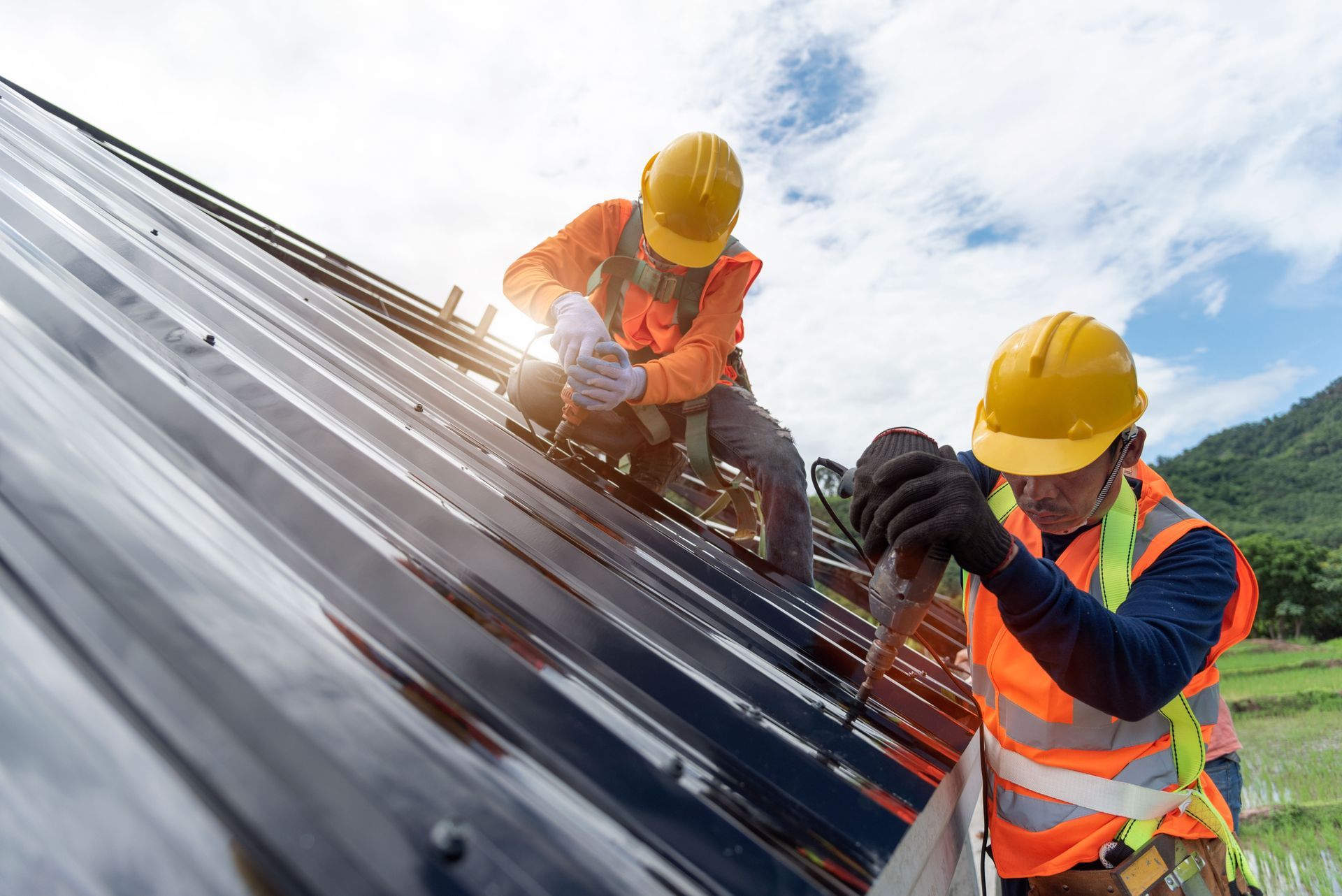
Installation begins with the application of underlayment, which serves as a protective barrier against moisture and temperature changes. Once in place, metal panels are installed in a structured sequence to ensure proper alignment and secure fastening. Professional commercial roofing services focus heavily on precision during this stage to prevent gaps or misalignment.
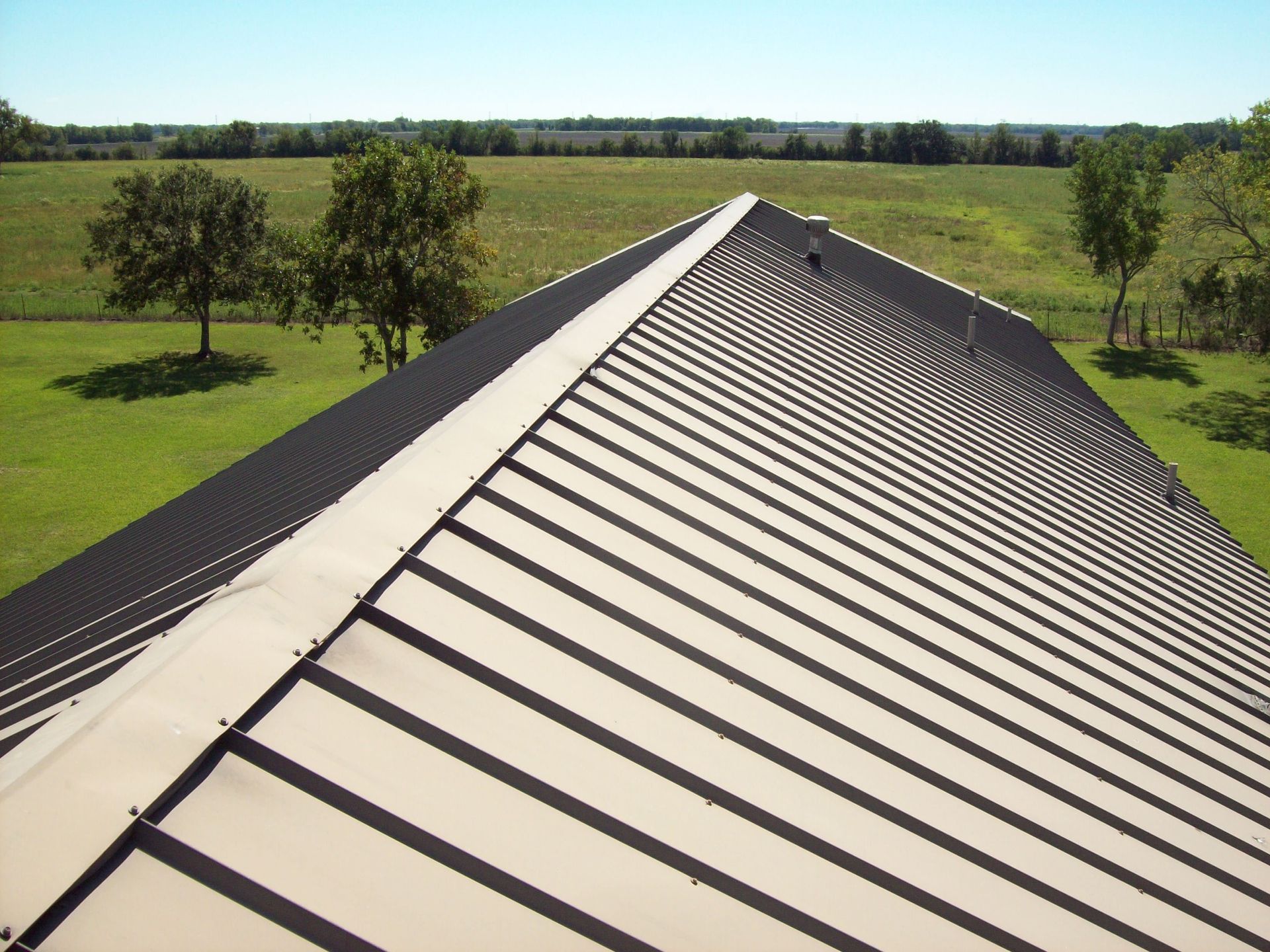
Panels are typically installed starting from one edge of the roof and progressing systematically across the structure. This approach helps maintain consistency and ensures proper interlocking between sections. Fasteners are carefully selected to allow for thermal expansion while maintaining structural integrity.
Attention to detail at this stage directly impacts long-term performance.
Final installation steps include flashing, sealing, and detailing around roof penetrations such as vents and edges. These components are essential for waterproofing and preventing leaks. Proper execution ensures the roofing system performs reliably under varied weather conditions.
Inspecting the Work Progress
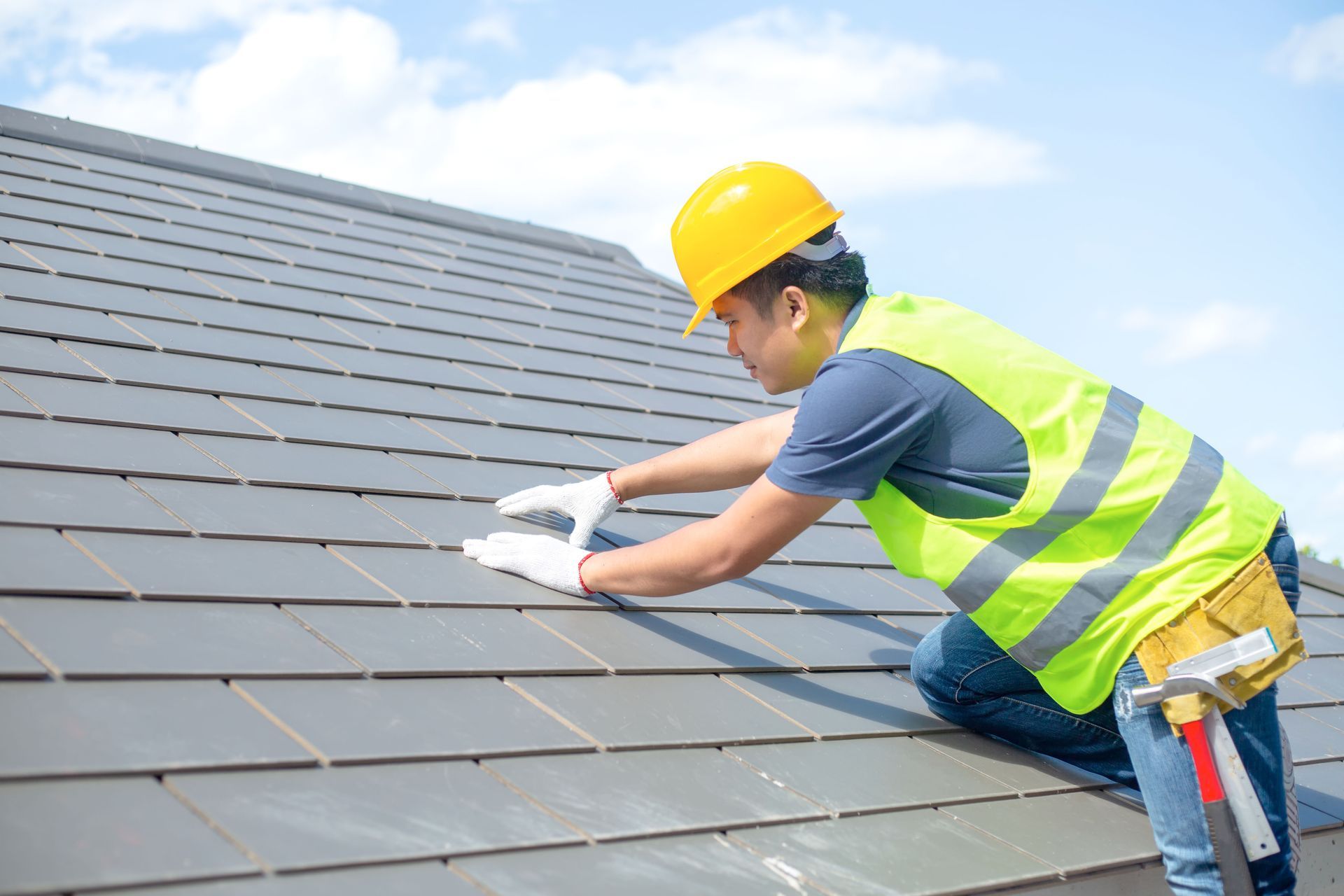
Ongoing inspection throughout installation helps ensure quality standards are consistently met. Contractors monitor alignment, fastening accuracy, and material placement as work progresses. These checks are a standard part of professional commercial roofing services and help reduce the risk of future issues.
Inspections also verify compliance with safety requirements and building codes. Any inconsistencies identified during this stage are corrected immediately to avoid compounding problems later. This proactive approach improves overall project efficiency and quality control.
Final inspections occur once installation is complete. At this point, the entire system is reviewed for structural integrity, sealing effectiveness, and finish quality. A well-executed inspection process ensures the roof is ready for long-term performance.
Maintaining the Finished Roof
Ongoing maintenance plays a key role in extending the lifespan of a metal roofing system. Routine inspections help identify minor issues before they develop into costly repairs. Many businesses continue working with commercial roofing services after installation to support long-term upkeep.
Maintenance typically includes checking fasteners, sealants, and drainage systems. These components are essential for preserving structural integrity and preventing water intrusion. Regular upkeep also helps maintain energy efficiency and visual appearance over time.
According to GAF Materials, a commercial metal roof can last between 40 and 60 years when properly maintained. This lifespan highlights the importance of consistent care and preventive maintenance strategies. When supported by structured maintenance plans, roofing services help maximize return on investment and system durability.
Evaluating Long-Term Performance
Long-term performance evaluation focuses on how well the roofing system continues to meet operational needs over time. This includes monitoring durability, energy efficiency, and overall structural condition. Businesses often rely on commercial roofing services to conduct periodic assessments and ensure continued reliability.
Environmental performance is another key consideration during this stage. Metal roofing systems often contribute to reduced energy consumption due to reflective properties and improved insulation. Over time, these benefits can significantly reduce operational costs while supporting sustainability goals.
Long-term evaluation also helps identify opportunities for upgrades or enhancements. Whether improving coatings or integrating new efficiency technologies, ongoing review ensures the system continues to deliver value throughout its lifespan.
A metal roof installation involves a structured process that requires careful planning, material selection, precise installation, and ongoing maintenance. Each phase contributes to overall system performance and long-term durability, especially when supported by experienced roofing services. Understanding these steps helps businesses make informed decisions, reduce disruptions during construction, and maintain better control over timelines and costs. With proper management, the process is efficient and predictable from start to finish.
When handled correctly through professional commercial roofing services, a metal roofing system becomes a long-term asset that supports operational stability, energy efficiency, and cost savings over time. For dependable installation, maintenance, and expert support, contact P & G Commercial Roofing today.