October 16, 2026
Managing a high-performance commercial property, a sprawling industrial facility, or a modern low-slope residential build comes with unique structural choices, especially when dealing with architectural designs that eschew traditional sloped framing. Flat roofs offer incredible spatial efficiency, giving you extra room for industrial HVAC units, heavy solar arrays, green roof installations, or rooftop urban terraces. However, because flat surfaces cannot rely on gravity alone to quickly shed rainwater, they require specific, high-tech waterproofing materials to protect the multi-layered building asset below. Failing to select the right engineered membrane out of the start can quickly trap water, leading to pooling issues, accelerated structural rot, and catastrophic interior water damage.
When these issues are neglected, you are forced to invest heavily in frequent, unexpected flat roof repairs to keep your building operational and code-compliant. Working with specialized, commercial-grade materials out of day one shields your property out of water intrusion. Prioritizing correct material matching and proactive care minimizes ongoing operational overhead while shielding your entire facility out of the constant disruption of sudden, large-scale structural leaks.
In addition to water management, low-slope roofs bear the brunt of direct, intense environmental exposure, including harsh ultraviolet rays, extreme thermal fluctuations, and heavy foot traffic out of regular maintenance personnel. When building owners ignore the early warning signs of degradation, minor issues quickly escalate into major structural threats. Water that bypasses a compromised membrane slowly saturates the underlying insulation, destroying its thermal resistance and causing building energy bills to skyrocket. By shifting out of a reactive mindset to a proactive asset-protection model, you can address these vulnerabilities through targeted maintenance before full-scale structural rot sets in. Investing time in understanding the unique performance profiles of modern roofing options allows you to make informed decisions that match your building's specific traffic demands and climate conditions, ensuring long-term structural durability and minimizing the need for emergency overhead interventions.
Evaluating TPO Roofing Membranes
TPO is one of the most widely used single-ply membranes dominating the modern commercial and residential flat roofing markets today. This bright white, highly reflective sheet is composed of polypropylene and rubber, creating a flexible surface that expands and contracts effortlessly with changing seasonal temperatures. Its white surface acts as a massive energy shield, reflecting intense UV rays away out of your building and slashing your summer cooling costs by keeping the structural roof deck incredibly cool.
When minor punctures do occur out of rogue storm debris, walking traffic, or fallen branches, completing local flat roof repairs on TPO is an incredibly straightforward process for a certified crew. Because TPO is a thermoplastic material, technicians can use hot-air welding equipment to fuse a brand-new material patch directly over the damaged area, creating a permanent, seamless bond that is actually stronger than the surrounding membrane. Furthermore, its natural chemical resistance minimizes structural degradation over time out of grease, chemical exhaust, and industrial environmental pollutants. According to GAF Materials, a roof with TPO has a lifespan between 20 and 30 years. Investing in this resilient system drastically lowers your long-term maintenance expenses and keeps your asset dry without needing constant flat roof repairs.
Analyzing EPDM Rubber Systems
Ethylene Propylene Diene Monomer (EPDM) is a highly durable synthetic rubber compound that has been a trusted staple of low-slope engineering and commercial facility protection for decades. Commonly referred to as black rubber roofing which is exceptionally resistant to high wind damage, severe hail impacts, and extreme thermal shock out of rapid temperature drops. Its incredible natural physical flexibility allows it to adapt to structural building settling and structural movement without cracking, splitting, or tearing away out of critical edge flashing lines.
Because it is applied in massive, seamless sheets, it minimizes the number of joint tracks where leaks typically develop over time. When an aging rubber membrane does show signs of wear, a skilled technician can apply specialized commercial-grade adhesive patches to complete successful flat roof repairs quickly and efficiently. This straightforward patch process helps property managers tightly control facility costs over the years without needing full-scale structural replacements. Relying on professional EPDM inspections prevents minor seam gaps out of widening into major system failures that require invasive, budget-draining flat roof repairs.
Understanding Built-Up Modified Bitumen
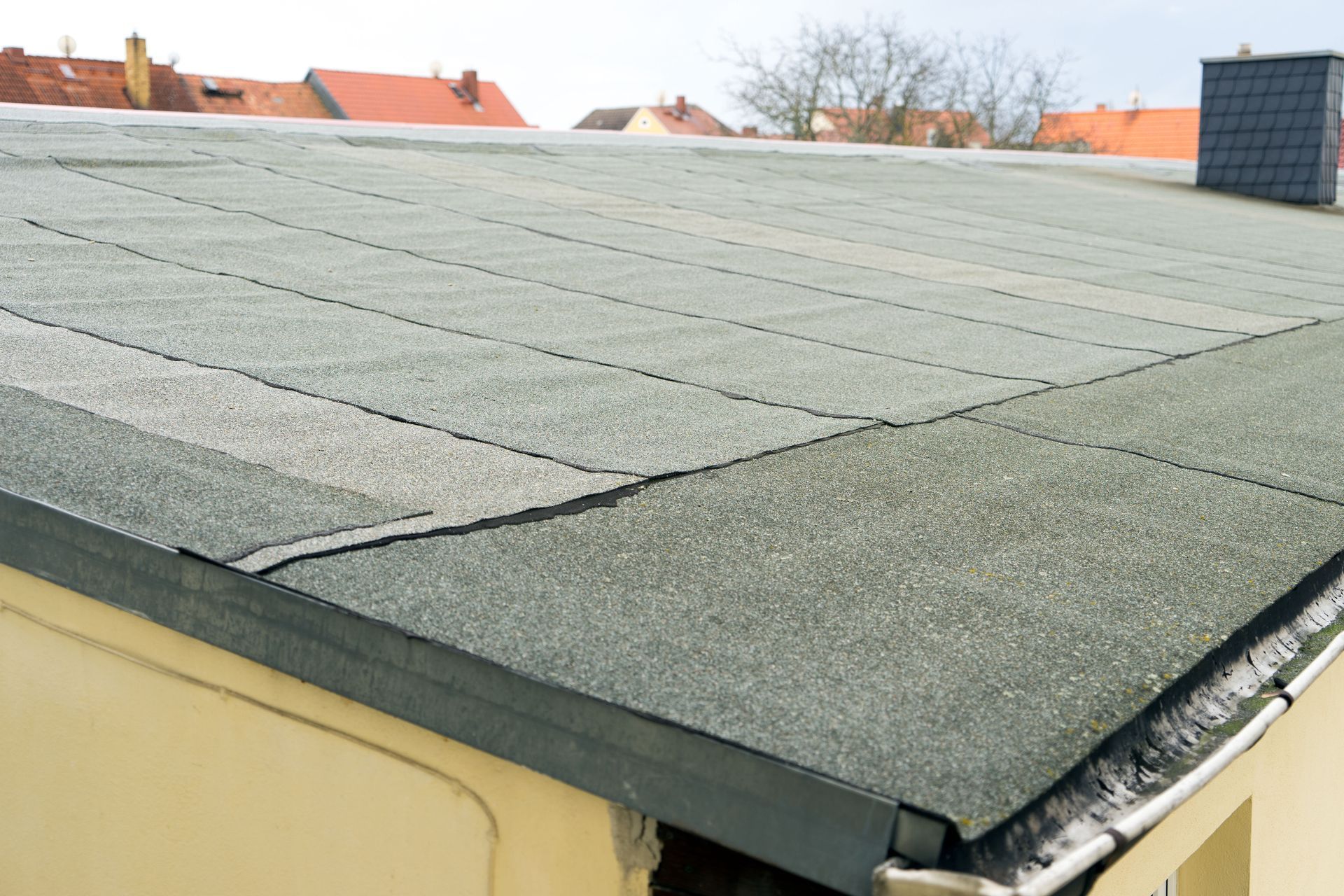
Modified Bitumen and traditional Built-Up Roofing (BUR) systems utilize a time-tested technique of layering asphalt sheets with high-strength fiberglass mats to create an exceptionally tough, multi-layered waterproof shield over your building. These heavy-duty systems are finished with a durable gravel or mineral granule cap layer that provides excellent defense against heavy foot traffic, mechanical impact, and falling debris. This rugged structural design makes it the perfect choice for rooftops that house extensive machinery networks or require regular maintenance traffic out of facility engineers.
Because of its multi-layered design, water has a nearly impossible time penetrating the underlying roof deck, as a puncture in the top layer is backed up by multiple watertight subsurface barriers. If the top gravel layer gets scraped away during heavy winds or mechanical equipment installation, executing localized flat roof repairs will quickly restore the system's original strength and thickness. Taking care of these small maintenance issues early ensures your multi-layer roof runs efficiently and remains fully watertight. Staying ahead of minor edge peeling removes the threat of sudden, large-scale leaks, protecting your business budget out of emergency flat roof repairs.
Reviewing Spray Foam Applications
Spray Polyurethane Foam represents an advanced, seamless liquid-applied technology that expands instantly upon application to form a solid, rigid insulating barrier across your entire roof asset. Because SPF is sprayed on as a liquid, it fills every microscopic crack, gap, and complex flashing transition perfectly, completely removing standard seam lines, joints, and mechanical fasteners out of your layout. This seamless design provides incredible insulation values, dramatically dropping your building's energy consumption and optimizing indoor climate control.
When birds, hail, or heavy storms cause minor surface pocks in the foam shield, executing quick flat roof repairs with a specialized elastomeric coating seals the system instantly against the elements. This straightforward maintenance routine keeps your insulation running perfectly through any harsh weather season. Prioritizing these rapid, non-invasive flat roof repairs safeguards your underlying structural deck, prevents moisture out of saturating your insulation, and maximizes your roof's active lifespan.
Sustaining an exceptionally dry, energy-efficient, and structurally secure flat roof over the long haul requires shifting away out of temporary patches and unverified contractors in favor of a proactive, professionally managed care plan. A building's underlying membrane, seamless insulation lines, and flashing details function as your primary defense against costly water damage, internal facility degradation, and sky-high utility bills. Waiting until a major storm exposes widespread membrane splits or clogged drainage paths will only disrupt your daily corporate workflow, ruin valuable interior inventory, and impact your bottom-line profitability.
Taking immediate control of your facility's physical envelope and placing your long-term trust in an elite team of licensed commercial roofing specialists protects your asset equity and shields your company out of the massive financial strain of premature roof replacements. If you notice standing water puddles lingering on your roof deck forty-eight hours after a storm, see active water stains spreading across your ceiling tiles, or realize your low-slope property has completely skipped its multi-year safety inspection, contact P & G Commercial Roofing today to schedule your comprehensive on-site consultation and discover how our expert flat roof repairs can protect your investment for decades to come!