August 14, 2026
Understanding the role of commercial roofing services in maintaining, repairing, and enhancing business facilities is essential for property owners and facilities managers. A commercial building roof serves as the primary defense against environmental factors such as strong winds, torrential rain, intense sun, and winter snow. When building owners invest in roofing services, they protect structural integrity, prevent interior damage, and ensure continuous business operations without costly interruptions.
Neglecting regular overhead care often results in early system degradation, unexpected repair expenses, and reduced property values over time. Consistent professional maintenance preserves building assets, enhances energy efficiency, and maintains an appealing exterior image for clients and tenants. Investing in professional roofing solutions delivers peace of mind while securing the value of your commercial real estate portfolio.
Understand Commercial Roofing Basics
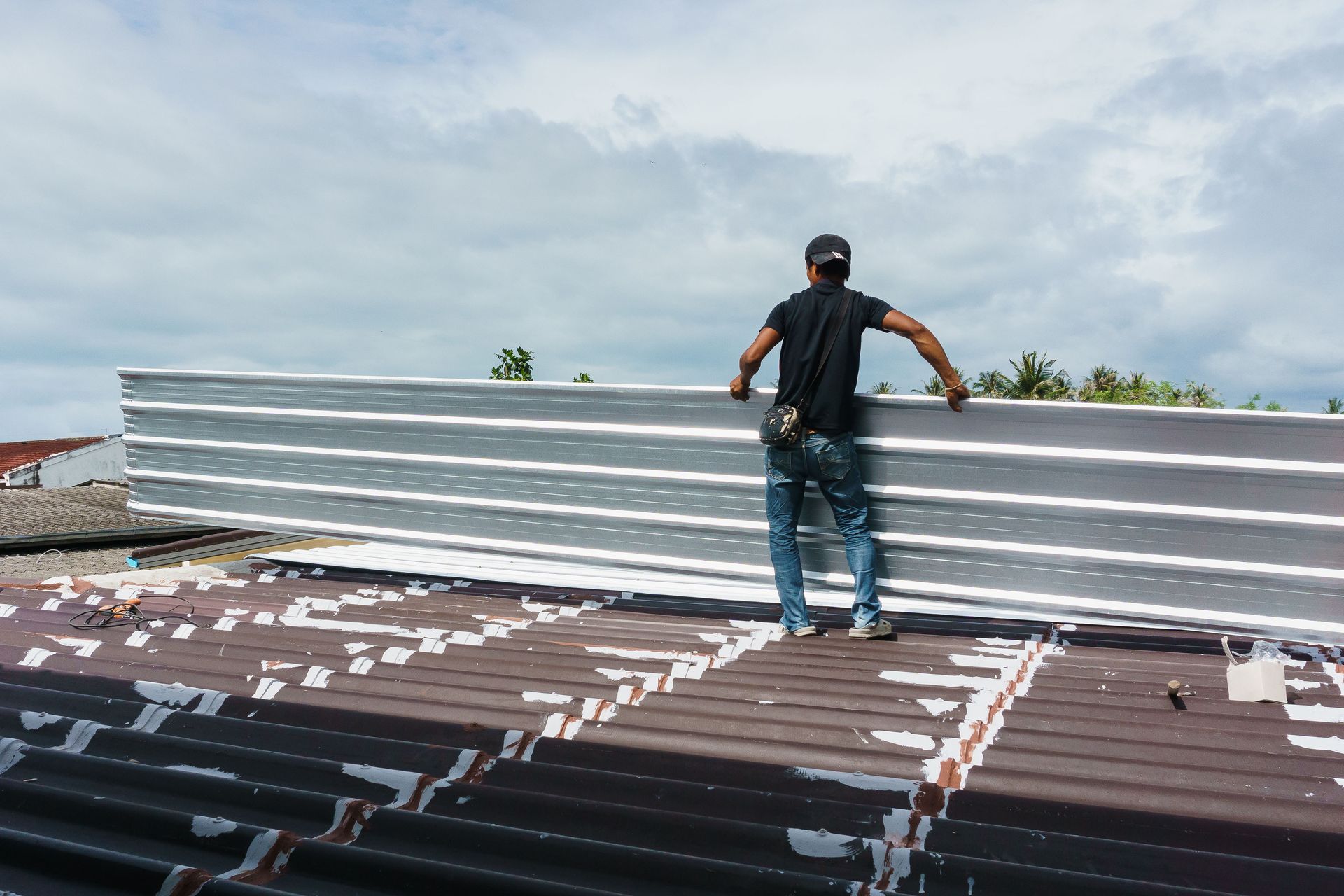
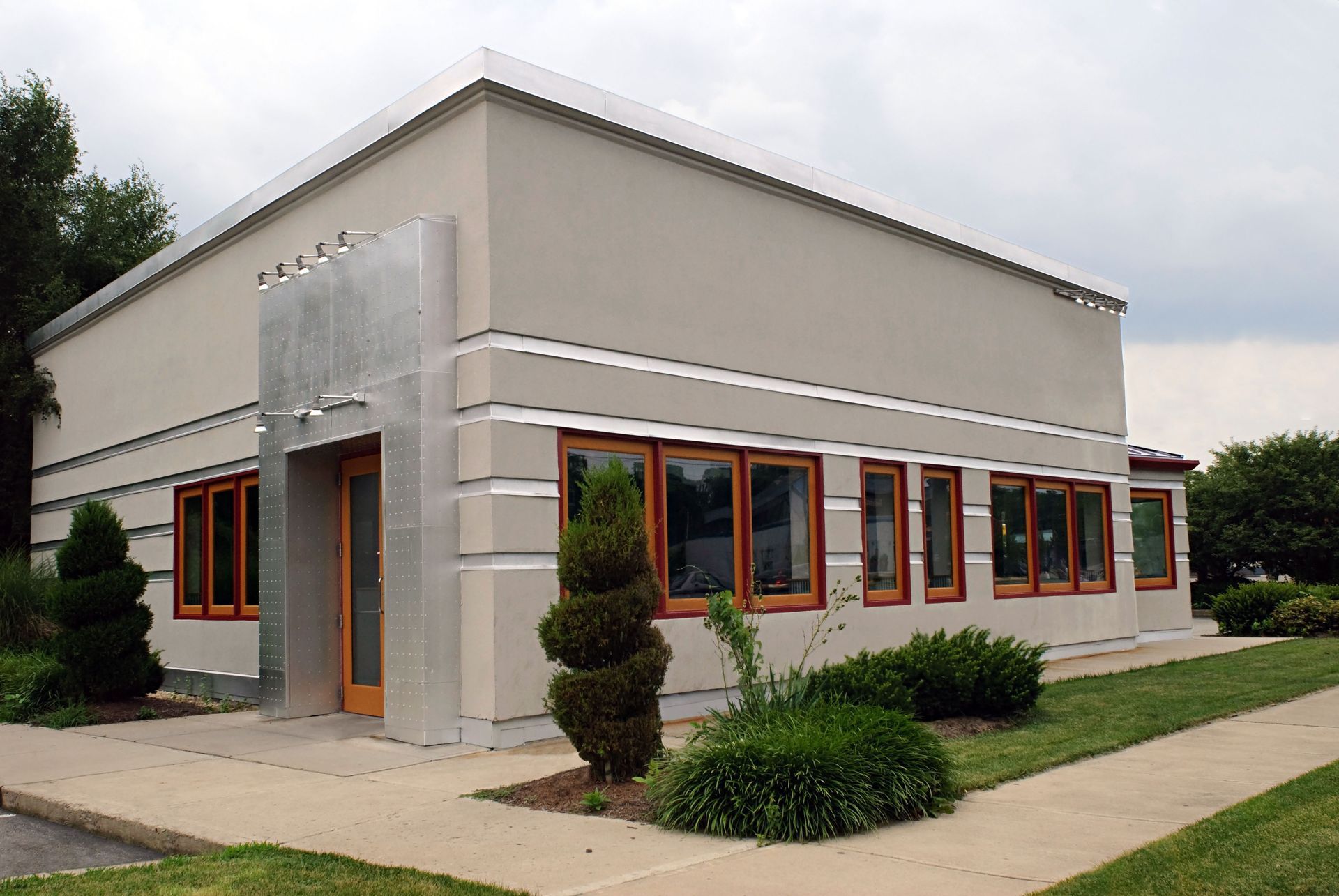
Commercial roofing involves specialized materials, equipment, and structural techniques engineered specifically for commercial, industrial, and institutional properties. Unlike residential roof designs that feature steep pitches, commercial systems are typically flat or low-sloped to cover expansive building footprints. These structural differences demand specialized installation approaches, heavy-duty materials, and customized drainage configurations designed to support HVAC units and foot traffic.
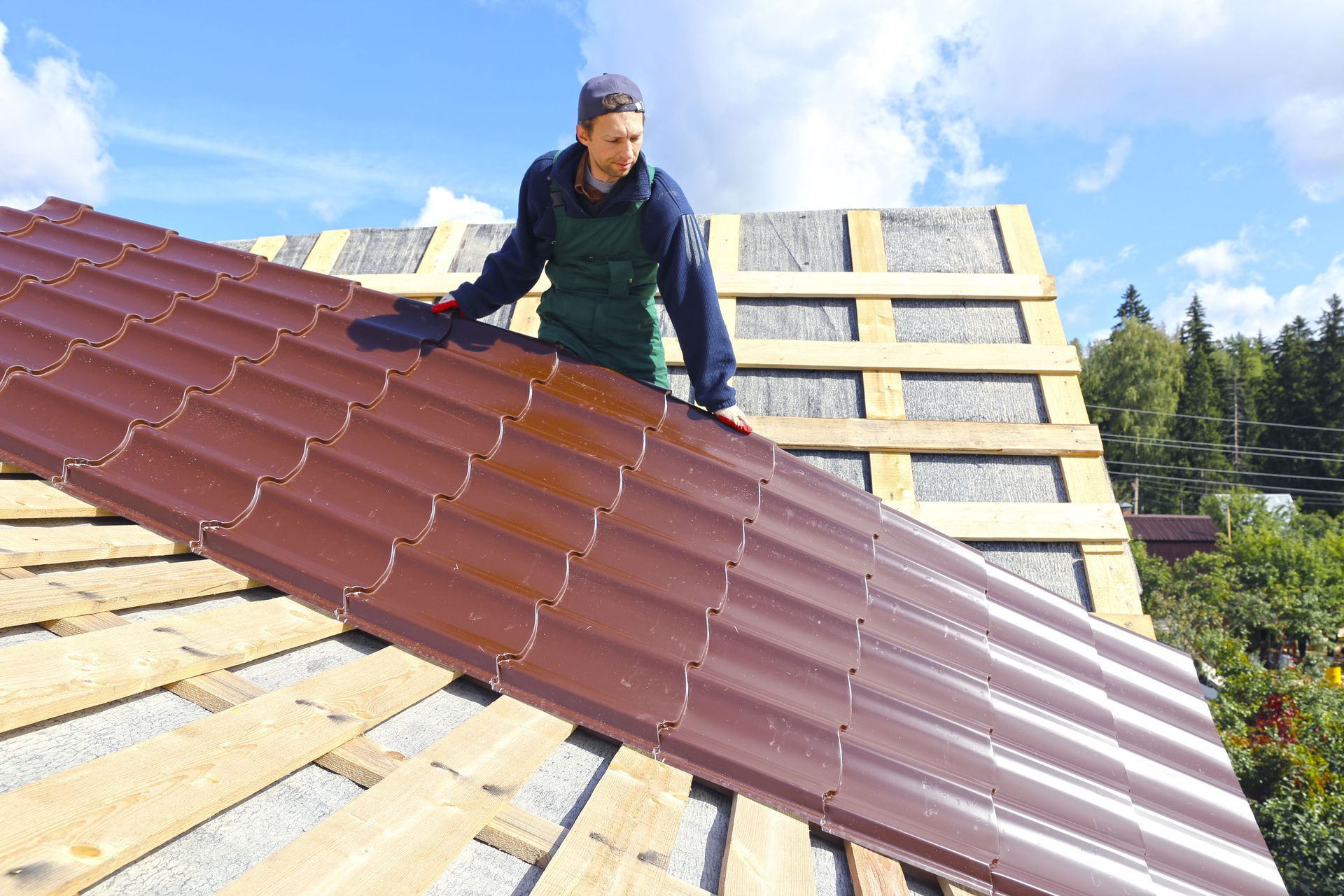
A wide variety of single-ply and asphalt-based roofing materials serve specific commercial applications effectively based on regional weather patterns and building demands. Durable synthetic rubber membranes offer exceptional flexibility, while energy-efficient thermoplastic membranes reflect solar radiation to lower cooling costs during summer months. Chemical-resistant options suit specialized industrial facilities, while modified bitumen systems deliver proven strength across demanding conditions.
Designing a resilient commercial roof involves analyzing structural weight capacities, regional weather hazards, and operational requirements. Structural engineers and building architects must account for storm patterns, potential solar panel installations, and building code mandates during the design phase. Upfront planning ensures that the selected overhead protection system satisfies performance expectations while resisting environmental wear.
Evaluate Key Professional Benefits
Partnering with skilled commercial roofing services provides direct access to broad industry expertise that elevates building performance and protection. According to WifiTalents, the commercial roofing industry across the United States depends on a skilled, dedicated workforce that directly employs 142,000 professional roofers. Experienced installation teams accurately evaluate complex structural needs, select optimal material combinations, and execute precise application methods that prevent early system failures.
Superior raw materials combined with expert craftsmanship yield dependable roof performance that withstands severe weather events across extended periods. Certified roofing contractors adhere strictly to established industry standards to eliminate leaks, clear drainage pathways, and install thermal insulation layers. Substandard craftsmanship creates ongoing operational headaches, whereas professional installation ensures continuous reliability and reduces maintenance expenditures.
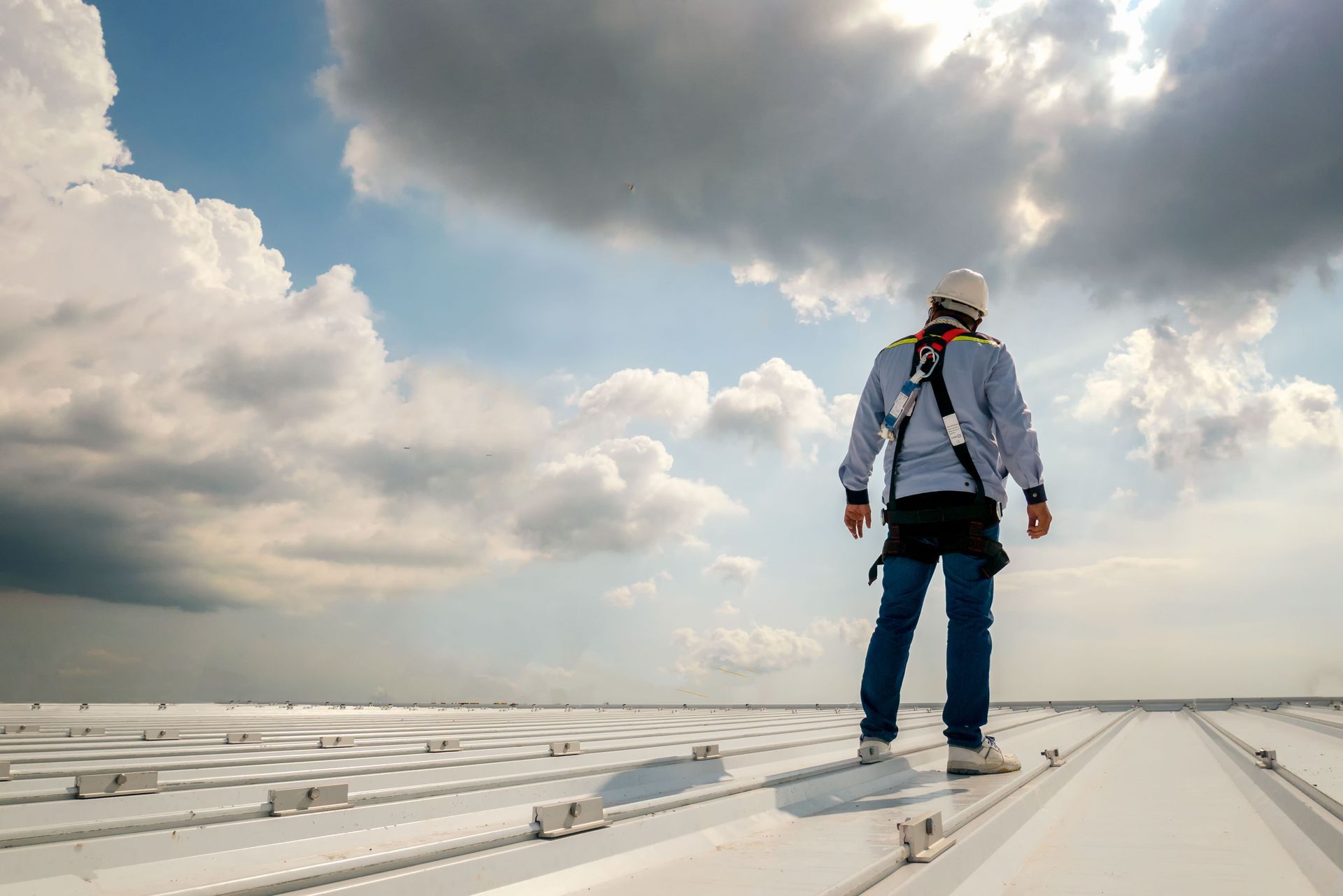
Professional contractors prioritize workplace safety by adhering to rigorous regulatory protocols and comprehensive risk management practices. Fully licensed roofing contractors carry liability coverage and workers' compensation insurance, relieving property owners of legal liabilities during project execution. Entrusting complex structural work to trained specialists minimizes safety hazards on site while ensuring complete compliance with regional building codes.
Identify Common System Issues
Water intrusion remains one of the most common issues affecting low-slope commercial roofs nationwide. Moisture problems frequently originate from compromised seam seals, degraded wall flashing, or blocked drainage channels, allowing standing water to accumulate on flat surfaces. Unchecked leaks cause structural framing rot, corrode metal roof decking, foster mold growth, and cause damage to interior inventory.
Environmental stressors exert continuous wear and tear that gradually weakens outer roof membranes across seasonal weather changes. Prolonged ultraviolet exposure, thermal expansion cycles, severe hail impacts, and heavy snow loads degrade protective surface layers, resulting in surface cracks, membrane blisters, and punctures. Establishing a consistent maintenance routine enables facility managers to identify early material wear before severe system failures disrupt business operations.
Inadequate initial installation techniques and poorly installed insulation layers introduce severe operational vulnerabilities to commercial facilities. Incorrect sealing procedures and improperly fitted flashing disrupt thermal boundaries, leading to air leakage and inflated energy bills. Relying on commercial roofing services eliminates installation defects, optimizes climate control efficiency, and protects the facility from structural degradation.
Implement Routine Inspection Schedules
Conducting regular professional inspections allows facility managers to identify minor structural vulnerabilities before they escalate into major capital expenditures. Scheduled system walk-throughs by qualified roofing specialists reveal hidden moisture pockets, seam separations, and flashing wear that untrained staff members easily overlook. Timely diagnostic evaluations extend overall roof longevity, optimize maintenance budgets, and prevent emergency repair expenses.
Distinguishing minor maintenance needs from major structural repairs enables effective financial planning and practical facility management. Minor issues such as loose perimeter flashing or isolated surface punctures can be resolved quickly through straightforward repairs during routine maintenance visits. Major membrane failures or sagging structural deck components require comprehensive restoration strategies to restore structural integrity and weather protection.
Implementing structured seasonal maintenance routines protects commercial buildings against unpredictable weather shifts throughout the year. Autumn maintenance clears fallen leaves, branches, and storm debris from drainage systems to prevent standing water during winter freeze cycles. Spring evaluations assess cold-weather impacts on building materials, ensuring drainage paths and surface membranes remain functional ahead of summer storms.
Leverage Modern Roofing Technologies
Modern commercial roofing services incorporate advanced single-ply membranes, solar coatings, and green roofing options to maximize energy savings. High-performance reflective roofs bounce solar radiation away from the building structure, reducing internal heat absorption and lowering summer cooling costs. Integrating eco-friendly roofing materials helps commercial properties satisfy sustainability targets while reducing their overall environmental carbon footprint.
Unmanned aerial drone technology has revolutionized commercial roof inspection methods by capturing high-resolution imagery without placing technicians in dangerous situations. Aerial drone surveys quickly scan expansive roof areas, pinpointing moisture retention pockets and subtle structural wear with speed and precision. Detailed aerial inspection data enables roofer teams to generate accurate repair estimates and track roof conditions consistently over time.
Specialized project management software optimizes scheduling, material logistics, and real-time communication throughout complex commercial roofing projects. Automated tracking platforms keep property managers informed regarding daily work progress, construction timelines, and site safety compliance. Leveraging these technological tools delivers seamless project execution, minimizes operational downtime, and ensures quality control across every project phase.
Select Qualified Service Providers
Selecting the ideal contractor requires evaluating professional credentials, industry certifications, active state licensing, and verified insurance coverage thoroughly. Experienced commercial roofing services providers possess deep knowledge regarding regional building codes, manufacturer installation specifications, and occupational safety standards. Requesting past client references and reviewing detailed project portfolios confirms a contractor's established track record for quality workmanship and dependable service delivery.
Transparent cost estimates and clear contractual terms prevent unexpected financial surprises and foster clear communication between all involved parties. Comprehensive project estimates should detail material costs, labor rates, coverage warranties, projected timelines, and structured payment terms explicitly. Reviewing contracts thoroughly ensures that performance expectations, project scopes, and safety requirements are fully agreed upon before active construction begins.
Choosing commercial roofing services that prioritize clear communication and customized project delivery guarantees satisfactory results from start to finish. Flexible contractors tailor their work schedules to minimize operational noise and prevent disruptions to daily business operations or tenant activities. Dedicated service providers establish lasting business relationships by offering ongoing maintenance support, fast emergency response times, and tailored maintenance contracts.
Investing in commercial roofing services remains essential for preserving property value, optimizing energy performance, and protecting structural integrity over time. From initial system design and material selection to proactive inspections and modern technological upgrades, professional roof management delivers unmatched value. Partnering with experienced contractors ensures that commercial facilities remain safe, energy efficient, and operational through every weather season.
Protecting your commercial real estate investment requires proactive management, expert craftsmanship, and reliable long-term service partnerships. Take the first step in securing your building's structural future by contacting our dedicated team at P&G Commercial Roofing today.