October 28, 2026
A commercial roof does more than protect a building from rain and snow. It helps preserve inventory, equipment, interior finishes, and the conditions employees and customers depend on. Even a small leak can disrupt operations, require repairs, and create unexpected expenses. For business owners, understanding commercial roofing services is important to property maintenance and financial planning.
Unlike many residential roofs, commercial systems often cover large areas with low slopes, rooftop equipment, and numerous drainage points. Their maintenance needs depend on their materials, age, and weather exposure. Knowing what contractors inspect, how they recommend solutions, and what questions to ask can help owners make practical decisions before serious problems develop.
Understanding the Available Roofing Services
Commercial roofing contractors handle more than complete roof installations. Their work may include inspections, leak detection, preventive maintenance, repairs, restoration, and replacement. Some projects involve repairing a small section of membrane, while others require addressing widespread deterioration or installing an entirely new system. The appropriate service depends on the condition of the existing roof and the building's long-term needs.
Commercial roofing services may also involve flashing repairs around vents, skylights, and rooftop equipment, along with drainage improvements that prevent water from collecting. Moisture can enter at vulnerable transitions even when the roof appears sound. Ask which problems are isolated and which indicate broader concerns.
Before authorizing work, request a written description of the proposed scope. A clear explanation of materials, labor, access requirements, and expected results makes it easier to compare recommendations and understand what the project will accomplish. Ask whether debris removal and disposal are included in pricing.
Evaluating the Existing Roof System
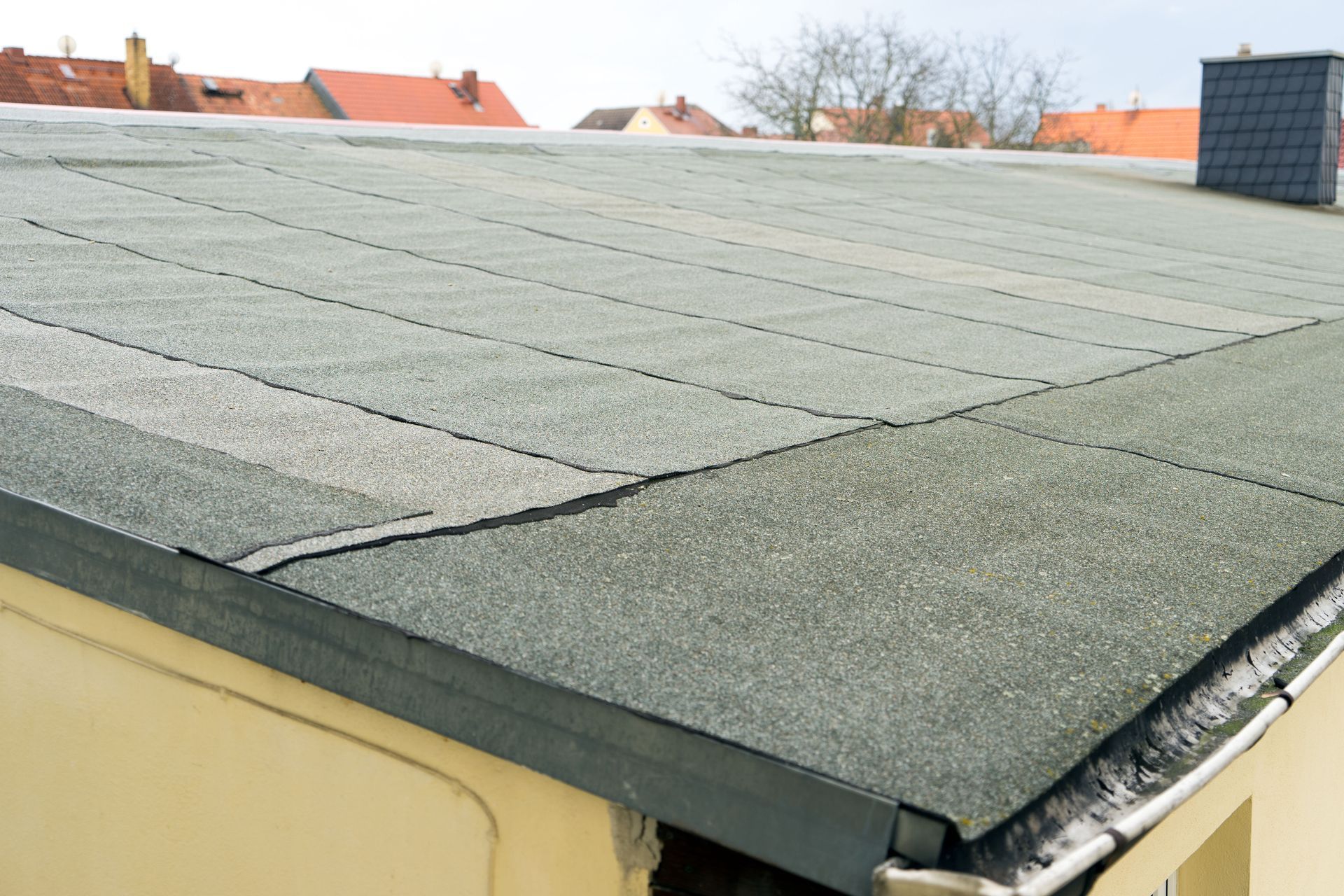
Different commercial roof systems require different approaches to care. Common options include single-ply membranes, modified bitumen, built-up roofing, and metal systems. Each has its own installation methods, maintenance requirements, and potential failure points. Building owners do not need to become roofing specialists, but identifying the type and approximate age of their roof provides useful context during contractor discussions.
A professional evaluation should consider more than visible surface wear. Contractors may assess seams, penetrations, insulation, flashing, drainage, and evidence of trapped moisture. They should also examine past repairs and consider whether rooftop equipment or frequent foot traffic has affected the roofing materials.
When requesting commercial roofing services, share any available installation records, warranty documents, and maintenance history. Records of recurring leaks or storm damage can guide investigations. If records are missing, a contractor can explain what can be determined through inspection and whether additional testing is appropriate before recommending extensive work. Photos and clear notes also make later comparisons easier. This documentation may also help clarify future insurance claims.
Scheduling Inspections and Preventive Maintenance
Routine roof inspections give property owners opportunities to identify developing problems before they disrupt business activities. According to SFS USA, building managers typically arrange professional inspections at least twice annually. Spring and fall are useful for assessing seasonal damage; severe storms may warrant additional inspections.
Preventive commercial roofing services often focus on removing debris, checking drainage pathways, reviewing vulnerable seams, and identifying areas that need repair. Clogged drains can contribute to standing water, while deteriorated sealant or loose flashing may allow moisture into the building. Early detection can simplify repairs.
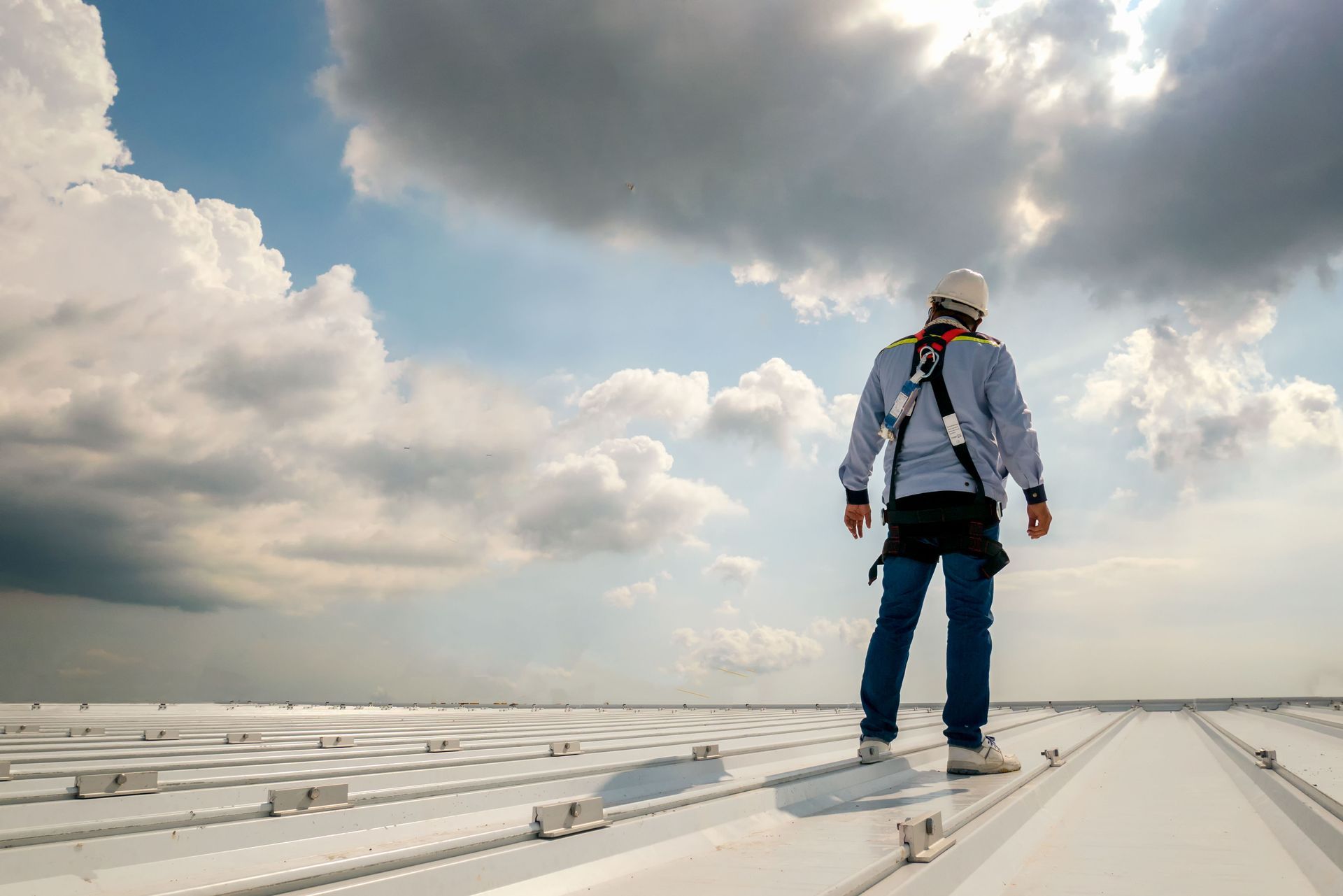
Maintenance should also include documentation. Keep inspection reports, photographs, completed work orders, and records of recurring concerns in one accessible location. These materials help establish how the roof has changed over time and support more informed budgeting. Contractors should perform elevated inspections safely; employees should not be expected to access unfamiliar roofing areas without appropriate training and equipment.
Identifying Warning Signs That Need Attention
Some roofing problems are obvious, such as water dripping into a workspace. Others develop gradually and may not appear directly beneath the damaged area. Discolored ceiling tiles, musty odors, bubbling paint, and damp insulation can all suggest moisture intrusion. Outside, membrane damage, separated seams, loose flashing, or standing water warrant examination.
Business owners should not assume that a small interior stain indicates a small roofing problem. Water can travel along structural components, making the source difficult to identify. Addressing the symptom inside the building without locating the exterior entry point can allow damage to continue.
Timely commercial roofing services can help limit interruptions and protect materials stored beneath the roof. When signs of trouble appear, document their location and timing, then contact a qualified contractor for an assessment. Avoid attempting temporary repairs that could create safety risks, conceal underlying damage, or affect existing warranty coverage.
Comparing Repair, Restoration, and Replacement
Not every commercial roofing problem requires a full replacement. Localized repairs may be sufficient when damage is limited and surrounding materials remain in suitable condition. Roof restoration may be another option for certain systems, provided the existing assembly meets the requirements for the proposed treatment. Replacement becomes more likely when deterioration is widespread, leaks persist, or underlying components are compromised.
When comparing commercial roofing services, ask what evidence supports each recommendation. A useful proposal should explain the condition of the roof, the expected scope of work, and any limitations of the suggested approach. Owners should also ask whether wet insulation, structural concerns, or drainage deficiencies need attention before new materials are installed.
Consider the building's anticipated use as well. A short-term repair may make sense for a property undergoing redevelopment, while a longer-term investment may better serve a facility that will remain in operation for years. Consider durability, maintenance expectations, and business disruption alongside upfront price.
Selecting a Qualified Roofing Contractor
Choosing a contractor requires more than comparing the lowest estimates. Business owners should verify applicable licensing requirements, insurance coverage, experience with their roofing system, and familiarity with commercial project logistics. Ask for examples of comparable work and clarify whether employees or subcontractors will complete the installation or repairs.
Commercial roofing services should come with clear communication about project responsibilities. Request an itemized written estimate, a tentative schedule, information about site access, and an explanation of how unexpected conditions will be handled. Contractors should also explain safety procedures for people entering the property while work is underway. Confirm who obtains required permits before the project begins.
Warranties deserve careful attention. Material warranties and workmanship warranties may have different coverage, exclusions, and maintenance conditions. Ask who provides each warranty, how long it applies, and what documentation is needed if a problem arises. An organized contractor should be willing to explain these details without promising that every future roofing issue will be covered.
Preparing for Costs and Operational Disruptions
Roofing work can affect daily operations even with careful management. Contractors may need access to parking areas, loading docks, or locations near entrances. Noise, odors, equipment movement, and temporary restrictions could affect employees, tenants, or customers. Discuss these possibilities before setting a start date so the work can be coordinated with business priorities.
Budgeting for commercial roofing services involves more than considering the initial project price. Owners may need to account for inspections, routine maintenance, drainage improvements, emergency repairs, and eventual replacement. A documented maintenance plan helps spread predictable costs over time and reduces the chance that needed work will be overlooked.
Establish a single point of contact, confirm how schedule changes will be communicated, and decide who can approve additional work. After the project, retain photographs, invoices, inspection findings, and warranty paperwork. Keeping these records organized makes future planning easier and gives the next contractor a clearer picture of the roof's history. Call P&G Commercial Roofing today to schedule your commercial roofing service.