October 30, 2026
A commercial roof protects far more than the structure beneath it. It shields equipment, inventory, employees, and daily operations from changing weather conditions. However, continuous exposure to sunlight, wind, rain, and temperature fluctuations gradually wears down even durable roofing materials. Small problems can become expensive repairs when building owners overlook early warning signs. Commercial roofing contractors help property managers take a proactive approach by identifying vulnerabilities, recommending appropriate maintenance, and addressing damage before it spreads.
Extending a roof's service life is often less about one major improvement and more about consistent attention over time. The right maintenance strategy depends on the roof's age, materials, drainage design, and exposure to foot traffic. Understanding the steps professionals take can help businesses plan maintenance budgets, reduce unexpected disruptions, and make better decisions about future repairs or replacement. This is especially valuable for busy facilities, where unexpected water damage can interrupt customer service, delay production, or temporarily close essential workspaces without warning.
Conducting Regular Roof Inspections
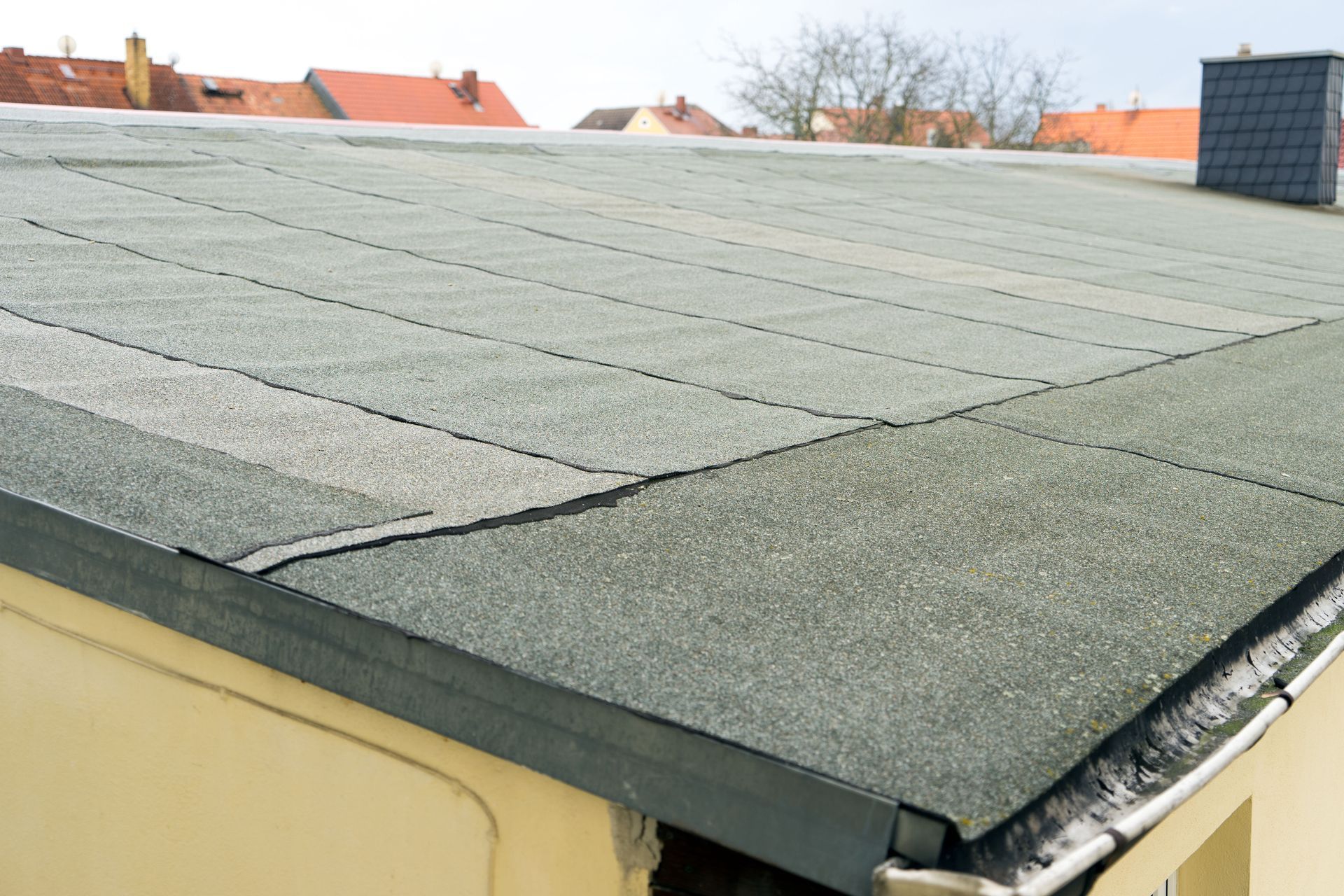
Routine inspections create an opportunity to detect roof problems before they affect the interior of a building. During an assessment, roofing professionals examine the surface for punctures, splits, loose seams, deteriorating flashing, and other signs of wear. They also pay attention to areas surrounding rooftop equipment, vents, skylights, and other penetrations because these locations may be especially vulnerable to water intrusion.
Commercial roofing contractors can establish inspection schedules based on the roof's condition and local weather patterns. Many properties benefit from evaluations in the spring and fall, along with additional checks after major storms. A recent wind event, for example, may loosen flashing or displace materials without producing an obvious indoor leak. Identifying damage early gives property managers more repair options before moisture reaches insulation or structural components.
An inspection also provides useful information about the overall condition of the roofing system. Clear findings and photographs help owners understand which issues require immediate attention and which areas simply need monitoring. This information can make long-term maintenance decisions more deliberate and less reactive.
Addressing Minor Damage Promptly
A small roof defect rarely stays isolated when exposed to repeated storms and changing temperatures. A puncture in a membrane, a separated seam, or a gap around flashing can allow water to travel beneath the surface. Over time, trapped moisture may damage insulation, compromise interior finishes, and create problems that require more extensive work.
Commercial roofing contractors assess the source and extent of damage before choosing a repair method. Depending on the system, the solution might involve patching a membrane, resealing a penetration, replacing damaged flashing, or securing loose components. Appropriate materials and installation techniques matter because an incompatible patch can fail prematurely or interfere with an existing roof system.
Timely repairs also help businesses avoid operational interruptions. A leak above a storage area, production floor, or office can disrupt schedules and put valuable equipment at risk. By responding to minor defects promptly, owners may reduce the likelihood of emergency calls and preserve more of the roof's remaining useful life. Keeping a record of completed repairs makes it easier to recognize recurring trouble spots and determine whether additional investigation is needed.
Maintaining Proper Roof Drainage
Water needs a clear path off a commercial roof. Flat and low-slope systems are designed with drainage features, but clogged outlets, accumulated debris, and changes in roof slope can interfere with water movement. Persistent standing water adds weight and can accelerate deterioration, especially when it repeatedly collects in the same locations.
During maintenance visits, commercial roofing contractors can examine drains, scuppers, gutters, and surrounding roof areas for obstructions or visible damage. Removing leaves and debris helps keep water moving toward designated outlets.
Professionals can also identify low spots that may need further evaluation rather than assuming every drainage problem can be solved with cleaning alone.
Drainage inspections are particularly important after heavy rain or severe storms. Property managers should watch for water that remains on the roof unusually long after rainfall and report those observations. They should not attempt rooftop inspections without proper safety measures. Addressing drainage concerns can reduce prolonged moisture exposure and help limit damage to seams, insulation, and other roofing components.
Protecting Different Roofing Materials
Commercial roofing systems vary widely, and each material has specific maintenance requirements. Single-ply membranes may develop punctures or seam problems, while built-up roofing can experience surface wear and flashing deterioration. Metal systems require attention to fasteners, sealants, corrosion, and the movement that occurs as temperatures change. Applying the same repair approach to every roof can cause avoidable problems.
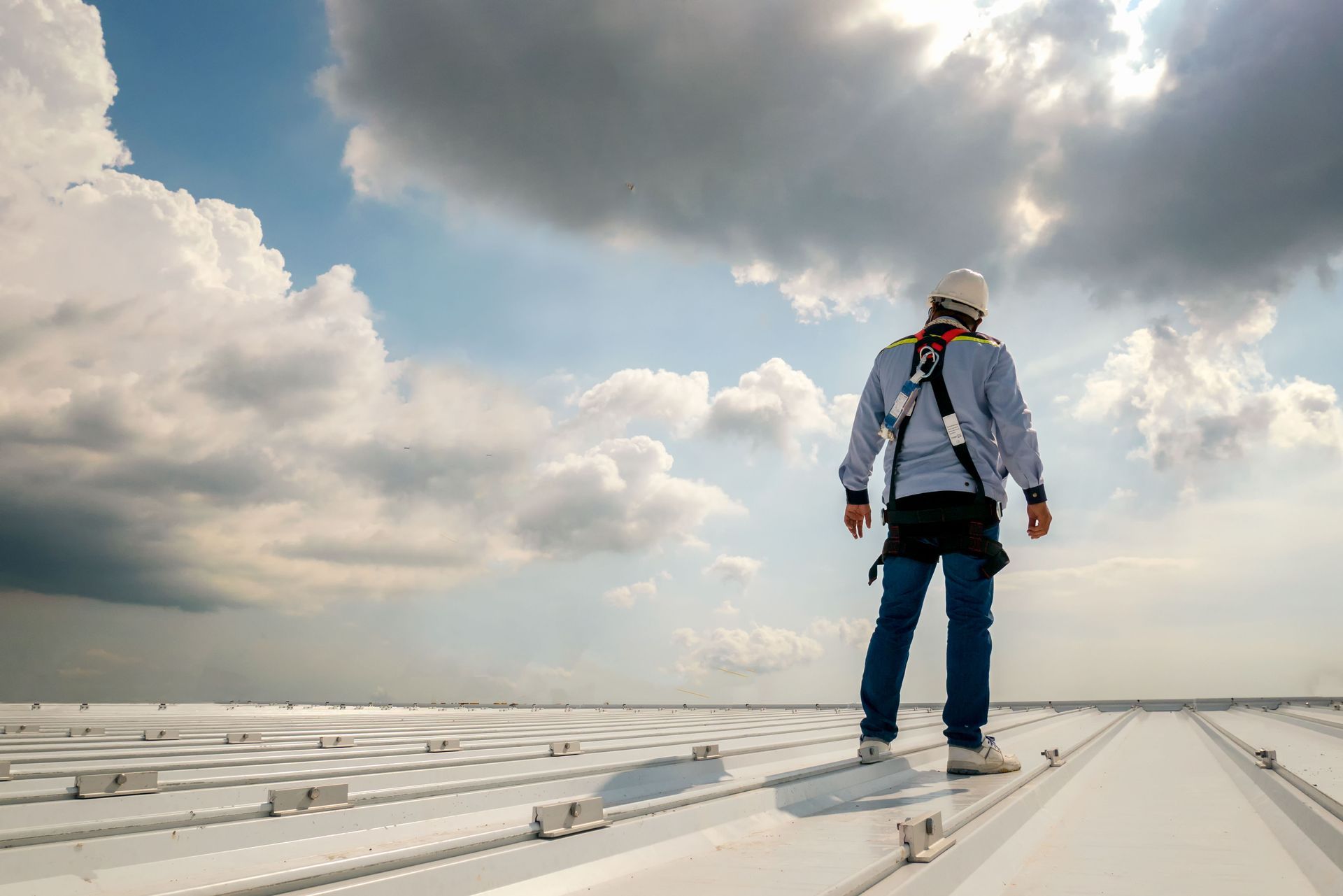
According to GAF Materials, a properly maintained commercial metal roof can typically last between 40 and 60 years. That potential lifespan illustrates why ongoing care matters, but actual performance depends on installation quality, environmental exposure, and the condition of individual components. Even a long-lasting material needs periodic evaluation to identify developing weaknesses.
Commercial roofing contractors understand how different roofing materials respond to weather and aging. They can recommend compatible repair products, evaluate whether protective coatings are appropriate, and identify conditions that may affect manufacturer warranty requirements. They can also help owners avoid unnecessary treatments that offer little benefit for a particular system. Material-specific maintenance supports roof performance without assuming that every building needs the same services.
Planning Preventive Maintenance
A written maintenance plan turns roof care into a manageable part of building operations. Instead of waiting for leaks, property managers can schedule evaluations, routine cleaning, and necessary repairs at predictable intervals. A plan should reflect the roof's age, past repair history, exposure to storms, and the presence of rooftop equipment that requires frequent servicing.
Commercial roofing contractors can help prioritize work based on urgency and potential consequences. For example, a damaged penetration above sensitive equipment may deserve immediate attention, while minor cosmetic wear may simply need documentation. This approach allows owners to direct maintenance spending toward conditions most likely to affect the roof's performance.
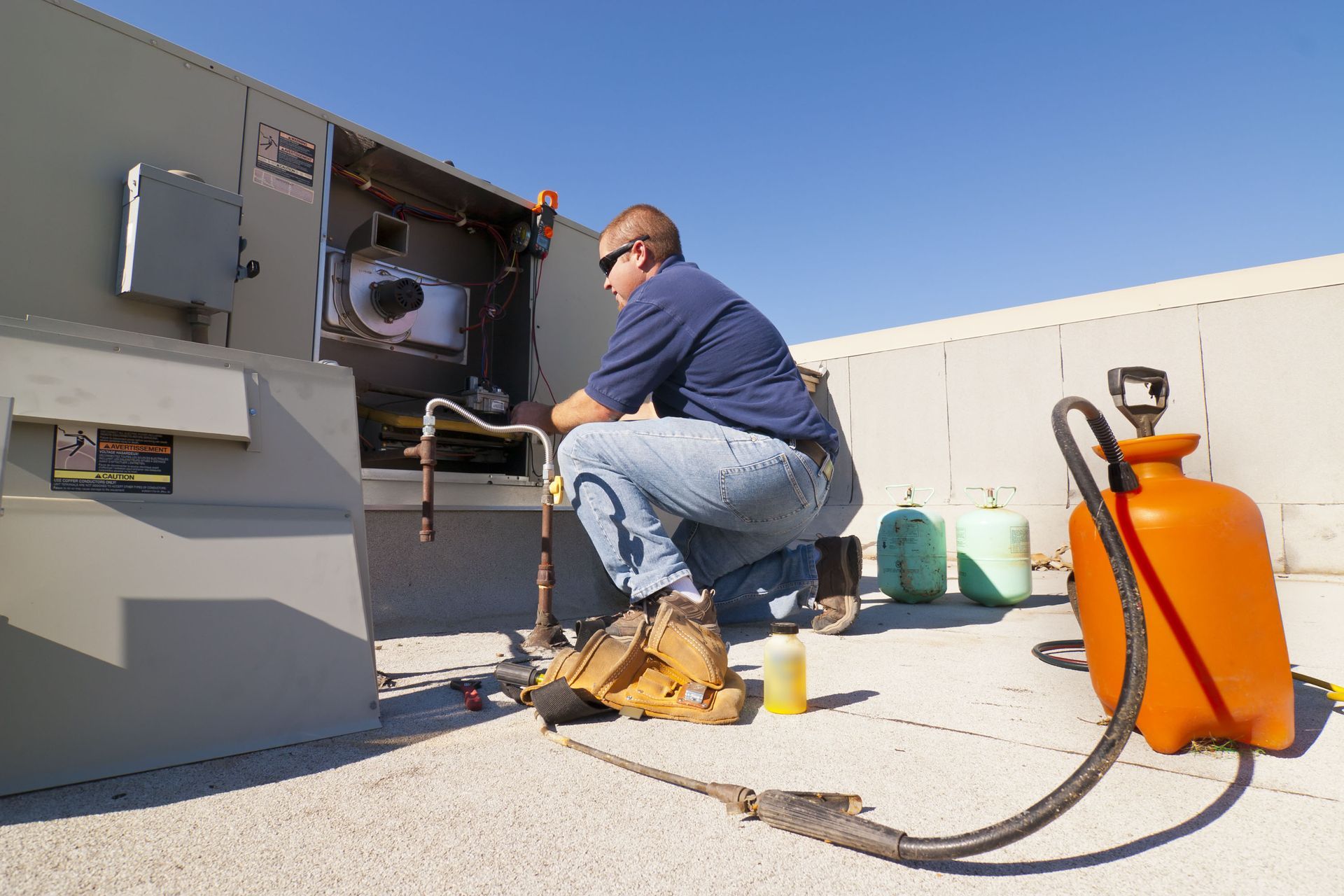
Coordination with other vendors is important as well. Technicians servicing HVAC units or communications equipment may cross roofing surfaces, move heavy tools, or disturb protective materials. Establishing designated walking paths and reminding vendors to report accidental damage can reduce unnecessary wear. Reviewing maintenance plans periodically helps businesses respond to changing building needs and avoid relying on outdated assumptions about roof condition.
Documenting Roof Conditions and Repairs
Accurate records support better decisions throughout a roof's lifespan. Building owners should retain inspection reports, photographs, repair invoices, warranty information, and details about previous roofing work. These documents establish a history that helps distinguish recurring defects from new damage and makes it easier to explain concerns when property management responsibilities change.
Commercial roofing contractors can use this history to compare roof conditions over time. If the same area repeatedly develops leaks, the pattern may point to a drainage issue, movement around a penetration, or a larger underlying problem. Addressing the cause can be more effective than repeatedly treating visible symptoms.
Documentation is also valuable when planning capital improvements. Knowing when major repairs occurred and how conditions have changed helps owners evaluate whether continued maintenance remains practical or replacement deserves consideration. Regular communication with roofing professionals gives property managers a clearer understanding of expected costs and priorities. With consistent inspections, prompt repairs, and informed planning, businesses can get more value from their roofing investment while reducing avoidable surprises.
Call P&G Commercial Roofing today to schedule your commercial roofing service.